Anime YouTubers Are Fighting a Copyright War: What Happened to Nicholas Light, One Piece & Bleach Reaction Channels?
By ZealPlane Editorial Team | Senior Pop Culture & Manga Analyst | ZealPlane Chronicles
If you spend any time on anime YouTube, you probably noticed the collective panic over the past few days.
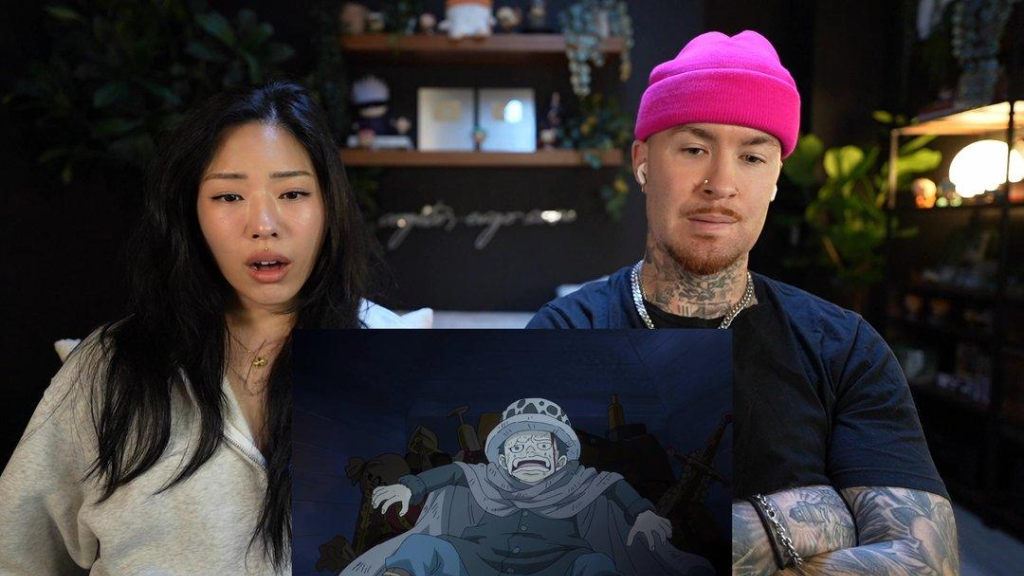
It started when Nicholas Light, a creator with around 1.3 million subscribers known for reacting to shows like One Piece and Bleach, dropped a video with the grim title: "My Channel will be Deleted Today." Within 24 hours, he had piled up more than a dozen manual copyright strikes on his channel, all tracing back to an enforcement company called Remove Your Media. More than 60 of his older videos were wiped from his library overnight.
On YouTube, three strikes within 90 days is supposed to be a death sentence. Your channel gets terminated, your library is erased, and you're banned from opening another account. Light was sitting at well over three.
Then, just as quickly, the situation flipped. YouTube stepped in, walked back the strikes, and restored his videos.
Nicholas Light reacting to One Piece during recent copyright strike controversy
That should have been a happy ending for the community. Instead, it cracked open an argument that the anime world has been quietly ignoring for years.
## It Wasn't Just One Channel
Almost immediately after Light went public, other reaction channels began speaking up about getting hit by the exact same agency.
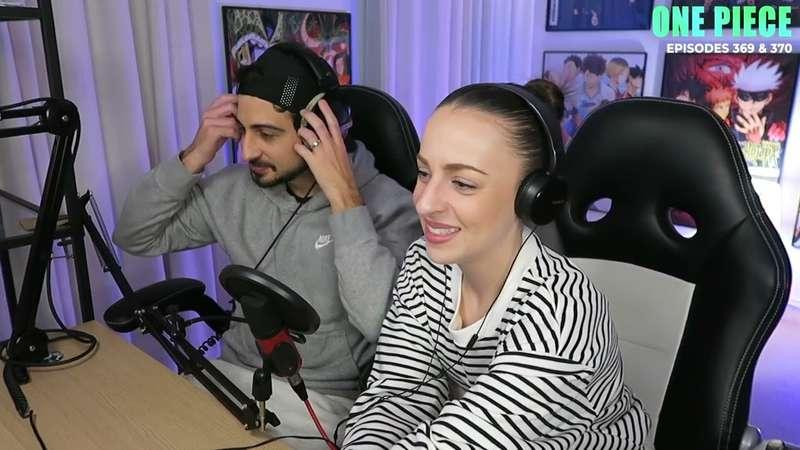
Ron and Michelle Jackson, who run the popular channel Rice & Ginger, shared that their own archives were facing a wave of strikes and potential deletion. For a couple that has built an entire community reacting to massive anime arcs and gaming moments, waking up to automated copyright notices threatening years of work felt like an ambush.
When one creator gets struck, people usually chalk it up to an editing mistake or bad luck with an algorithm. But when multiple established channels get hit in the exact same week by the exact same company, you have to wonder: is this routine enforcement, or is someone testing the waters to see if they can wipe out anime reaction content entirely?
## Who Is Remove Your Media?
The company behind these takedowns is Remove Your Media, an anti-piracy agency hired by corporate rights holders to scour the web for unauthorized uploads.
The company doesn't hide what it does. Its legal representative openly stated that they handle thousands of copyright complaints every single day, both through automated web crawlers and direct client requests. More crucially, the company's attorney told The Verge that VIZ Media and Crunchyroll are among its biggest anime clients.
Before anyone grabs their pitchforks, there is a catch worth pointing out. Neither Crunchyroll nor VIZ has publicly confirmed that they ordered this specific sweep. Crunchyroll wouldn't verify the working relationship with Remove Your Media on the record, and VIZ declined to comment.
So saying "Crunchyroll is deleting anime channels" is oversimplifying things. What is clear, though, is that an enforcement firm claiming to work on behalf of major anime distributors went on a blitz, and reaction creators were directly in the blast radius.
## The Creator Defense: Why Reactions Aren't Piracy
Ask any anime reactor why their videos should stay up, and they'll give you a very consistent answer: they aren't pirating the show, they're reacting to it.
They sit in front of a camera with a microphone. They pause when an unexpected plot twist drops. They laugh at funny animation errors, cry during emotional deaths, break down fight choreography, and debate character motivations. Their viewers aren't tuning in just to watch One Piece; they're tuning in to watch *them* watch One Piece.
Under US copyright law, that is the foundation of Fair Use. If you take a piece of existing copyrighted work and transform it with genuine commentary, criticism, or parody, you have a legitimate legal defense.
There's also a commercial reality to consider. Reaction channels have become one of the most effective free marketing tools Japanese studios could ever ask for. How many fans picked up Bleach or Jujutsu Kaisen because they watched someone they like scream at a bankai reveal on YouTube? Millions. Creators argue that penalizing them for hyping up a show is counterproductive for the anime industry itself.
Nicholas Light made this exact argument: reaction creators give shows international reach that traditional marketing campaigns often fail to generate.
It sounds reasonable on paper. But there is another side to this coin that creators rarely like to admit out loud.
## The Part Reaction Channels Hate Talking About
Here is the awkward truth: there is a huge difference between reviewing an episode and basically streaming it with your face in the corner.
Over the last five years, anime reaction culture has gotten increasingly lazy. There are creators who do careful, thoughtful edits. They show five-second clips, pause constantly, cut out whole scenes, and talk for twenty minutes about the writing and pacing.
Then there are creators who drop an entire 24-minute episode onto the screen, shrink it down slightly, slap a webcam in the corner, and barely say four sentences between the opening and ending themes.
Remove Your Media's attorney honed in on this exact point. The firm pointed out that many targeted channels show nearly the entire episode, with the full, unedited video locked behind a monthly Patreon paywall.
Put yourself in the shoes of a studio or licensing company for a minute:
- If a viewer can open YouTube or Patreon and watch 95% of an episode without ever paying for Crunchyroll or buying the Blu-ray, that reaction video is no longer just commentary. It is acting as a substitute for the real thing.
- If a creator is making thousands of dollars every month on Patreon charging people to watch full episodes of someone else's animated work, the claim that it is purely educational or transformative starts looking very thin.
Writing "no copyright infringement intended" in your video description does not grant you a legal pass. If you're basically redistributing the episode, copyright holders have every right to protect their property.
## YouTube Isn't a Judge, It's an Escrow Service
A lot of the anger in these situations gets pointed directly at YouTube. People ask: why did YouTube give Nicholas Light twelve strikes if they were just going to reverse them two days later?
The answer comes down to how the Digital Millennium Copyright Act (DMCA) works.
YouTube does not employ a panel of legal scholars to sit around watching anime reaction videos to decide if someone's facial expressions count as fair use. They can't. If YouTube tried to manually judge fair use, they would lose their "safe harbor" legal protection and become liable for billions of dollars in copyright lawsuits.
Under the law, when YouTube receives a valid DMCA takedown notice from a company claiming to represent a rights holder, YouTube is legally obligated to take the video down. Period.
If the creator files a counter-notification saying the takedown was mistaken or covered by fair use, YouTube passes that notice back to the claimant. The claimant then has ten to fourteen business days to show proof that they have filed an actual lawsuit in federal court. If they don't sue, the video goes back up.
That is why Light's videos were restored. Remove Your Media wasn't about to drag a YouTube creator to federal court over a batch of One Piece reactions, so the strikes vanished.
The real problem is the sheer power imbalance. An anti-piracy company can issue dozens of automated strikes with a single click, putting zero money on the line. But for a creator, receiving those strikes means losing ad revenue, having their channel freeze up, and living with the fear that their entire life's work could vanish before an appeal even gets reviewed.
## Where Does Anime YouTube Go from Here?
This isn't going to be the end of anime reactions. The audience is too massive, and too many people enjoy the communal feeling of watching their favorite stories alongside someone else.
What it probably does mean, though, is that the format has to evolve.
The days of uploading full twenty-minute episodes with minimal cuts and expecting immunity are coming to an end. If channels want to protect their businesses from automated sweeps and manual strikes, they will have to make their videos genuinely transformative:
- Shorter clips and tighter edits that highlight specific moments rather than the whole episode.
- More actual discussion, theory crafting, and storytelling critique instead of silent watching.
- Relying on watch-along timers where viewers play the episode on their own legal Crunchyroll account while listening to the creator's audio.
Ironically, that shift might end up making anime content on YouTube much better. Less passive watching, more real conversation.
Reaction channels aren't going anywhere. But the line between sharing your love for an anime and riding on its coattails for ad revenue has never been thinner than it is right now.
***
### What's your take on this?
Do you think reaction channels are getting unfairly bullied by automated copyright systems, or have creators pushed the envelope too far by showing entire episodes? Drop your thoughts in the comments below.
Featured Original Indian Indie Comics on ZealPlane
Explore original indie comics available free to read online: