Are Demon Slayer's Breathing Techniques Actually Real — Or Just Visual Flair?
By ZealPlane Editorial | Senior Pop Culture & Manga Analyst | ZealPlane Chronicles
The Canon Verdict: The elemental fire, water, and lightning in Demon Slayer: Kimetsu no Yaiba are not physically real. In an author note published in Volume 17 of the manga, creator Koyoharu Gotouge clarified that swordsmen do not summon physical elements. Instead, the visuals are artistic representations of supreme speed, breath discipline, and blade trajectory that onlookers and opponents merely perceive through sheer sensory intimidation.
Every long-term discussion about Demon Slayer eventually arrives at the same central mystery.
When Tanjiro executes an arc of water, when Kyojuro Rengoku unleashes a roaring pillar of flame across the Mugen Train, or when Tengen Uzui turns a battle into an arena of concussive detonations, is any of that fire or water actually manifesting inside the story world? Or is it an aesthetic flourish created purely for the audience?
The answer is more nuanced than either extreme suggests.
What Breathing Techniques Actually Are
Koyoharu Gotouge never wrote a clinical textbook breaking down the physics of the Demon Slayer universe. What the manga establishes with consistent discipline is a grounded biological premise: breathing techniques are physiological methods, while the elemental manifestations are symbolic.
Total Concentration Breathing functions as an intensive biological discipline. Corps members regulate oxygen intake to drive their cardiovascular output well beyond natural human thresholds. Increased blood oxygenation, accelerated neural processing, and enhanced muscle fiber activation provide tangible, superhuman enhancements within the story's grounded rules.
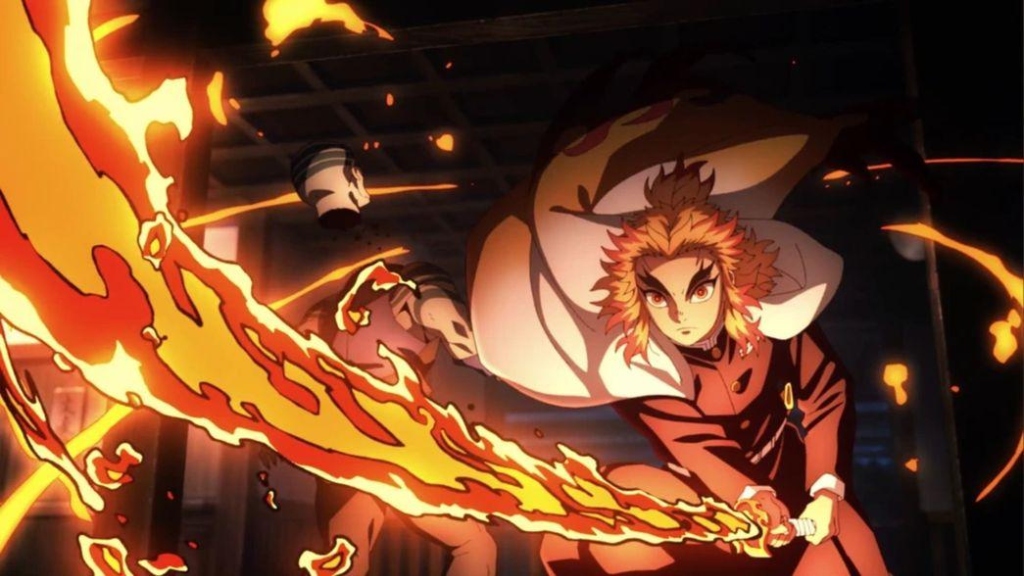
The fire surrounding Rengoku's blade, the torrent trailing Tanjiro's katana, and the lightning crackling around Zenitsu's stance are visualizations. They translate the momentum, trajectory, and emotional intent of a strike into visible imagery for the reader. If a bystander stood beside Rengoku during his ninth form, they would not witness actual flames igniting the air. They would simply witness an impossibly fast, devastatingly heavy sword swing.
The Volume 17 Murata Note: Gotouge's Canonical Clarification
For readers who debated whether the elements were literal sorcery, Gotouge settled the matter in Volume 17 of the manga. Addressing corps member Murata, the author revealed that Murata also practices Water Breathing. However, because his technique is faint and unrefined, bystanders cannot discern any water trailing his slashes.
“Swordsmen don't actually unleash water attacks. People who see this just think they see and feel it.”
When Tanjiro executes Tenth Form: Constant Flux, the demon does not become drenched. Instead, the pressure, fluid continuous movement, and relentless rhythm of Tanjiro's blade create an overwhelming psychological impression of an inescapable tidal current.
Why Ufotable's Adaptation Clouds the Issue
The confusion surrounding breathing techniques largely stems from studio Ufotable's cinematic masterclass. From the opening episodes, the animation team chose to treat breathing manifestations as tactile, screen-dominating spectacles.
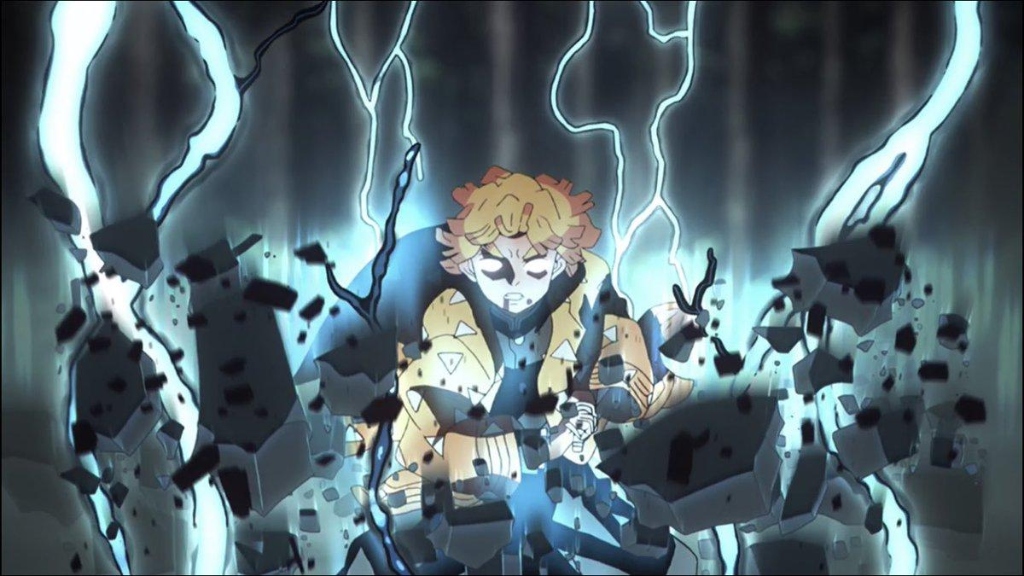
Zenitsu unleashing Thunderclap and Flash. Ufotable's tactile kinetic animation gives breathing techniques visceral impact.
The result produced some of the most memorable combat animation in anime history, but it introduced logical dilemmas that the manga never faced. If Rengoku's flames were genuine combustion, the wooden passenger cars of the Mugen Train would have caught fire immediately. If Zenitsu's lightning were real electricity, moisture and metal conductors in the forest would have caused collateral arcs. The manga never needs to reconcile these inconsistencies because the fire and lightning were never physical in the first place.
The Real Physical Exceptions in Demon Slayer Canon
While standard breathing styles produce purely metaphorical visuals, Gotouge created four distinct instances where attacks generate genuine physical effects:
- Wind Breathing (Sanemi Shinazugawa): Unlike Water or Flame, Wind Breathing relies on blade speed so intense that it compresses surrounding air into tangible vacuum shears. Sanemi can lacerate opponents from distance via pure aerodynamic force.
- Moon Breathing (Kokushibo): Because Kokushibo is an Upper Rank demon, he weaves Moon Breathing with his Blood Demon Art. His swings produce tangible crescent blades composed of modified demonic flesh that physically shred surrounding architecture.
- Sound Breathing (Tengen Uzui): Tengen's explosions are real pyrotechnics. He combines his swordsmanship with specialized anti-demon gunpowder pellets, detonating them on contact with his twin cleavers.
- Sun Breathing (Yoriichi Tsugikuni & Tanjiro): While Sun Breathing does not create literal fire, its strikes emit a solar resonance that inflicts a severe burning sensation on demonic flesh at the cellular level, directly suppressing Muzan Kibutsuji's regenerative capabilities.
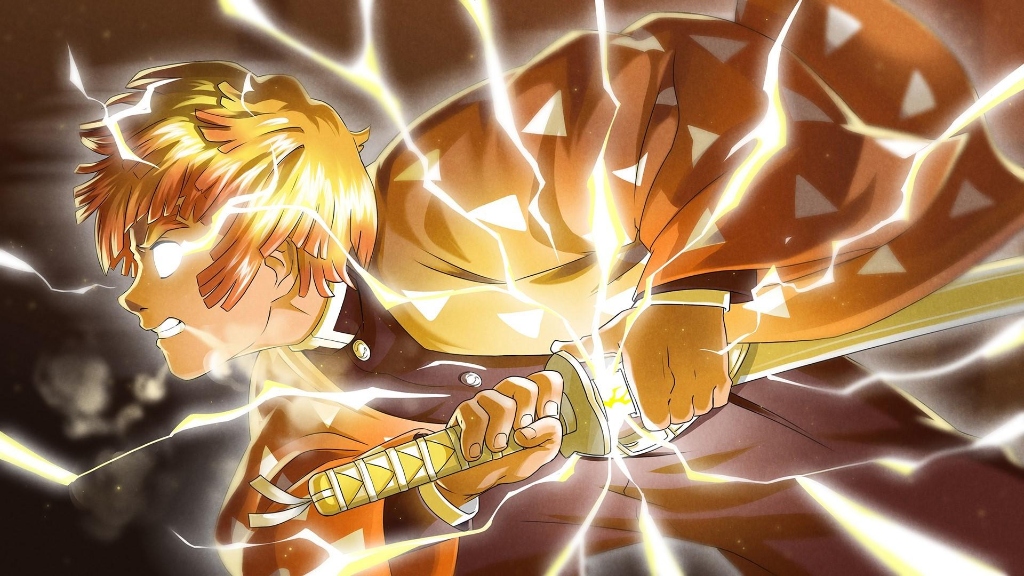
Cardiovascular discipline pushed to human extremes: Zenitsu preparing his initial dash.
The Strongest Breathing Style After Sun
Sun Breathing remains uncontested as the progenitor of every combat discipline in the corps. But ranking the styles derived from it requires distinguishing between human limitations and demonic enhancement.
If including all combatants, Moon Breathing stands in solitary second place. Developed by Michikatsu Tsugikuni and honed across four centuries of demonic evolution, its sixteen lethal katas far outstrip any mortal discipline.
Among mortal human Hashira, the answer depends entirely on combat doctrine:
Stone Breathing possesses the strongest canonical argument for raw supremacy. Gyomei Himejima is explicitly acknowledged as the most formidable Hashira of his era. Stone Breathing trades theatrical agility for immense kinetic defense and crushing power, utilizing specialized flail and axe weaponry.
Flame Breathing represents peak offensive momentum. Preserved meticulously across generations of the Rengoku lineage, its forms prioritize decisive closing speed and heavy frontal assaults that even Upper Moon Three Akaza praised.
Thunder Breathing, particularly its First Form, Thunderclap and Flash, remains the fastest single-step burst technique in the series, trading prolonged tactical flexibility for immediate, decapitating velocity.
Why Derivative Styles Refuse a Simple Tier List
The derivative styles were deliberately engineered for specialization rather than hierarchical dominance. When Yoriichi taught his initial disciples during the Sengoku Era, he tailored breathing rhythms to complement individual physical aptitudes. Flame maximizes explosive power, Water optimizes defensive adaptability, and Wind emphasizes ruthless pressure.
The Demon Slayer Corps maintained multiple Hashira disciplines because no single derivative form could replicate the comprehensive perfection of Sun Breathing. Each style was designed as an imperfect but lethal answer to specific combat demands.
Philosophy Rendered as Movement
The enduring appeal of Demon Slayer's combat does not depend on whether the fire burns the trees or the water drenches the soil. What makes these clashes resonant is that each style reflects the philosophy of its practitioner.
Flame Breathing embodies Rengoku's unyielding duty and warmth. Water Breathing mirrors Tanjiro's empathy and fluid perseverance. Thunder Breathing distills Zenitsu's single burst of courage amidst paralyzing terror.
The visual flair may be symbolic, but the discipline, sacrifice, and character behind each swing are unmistakably real.
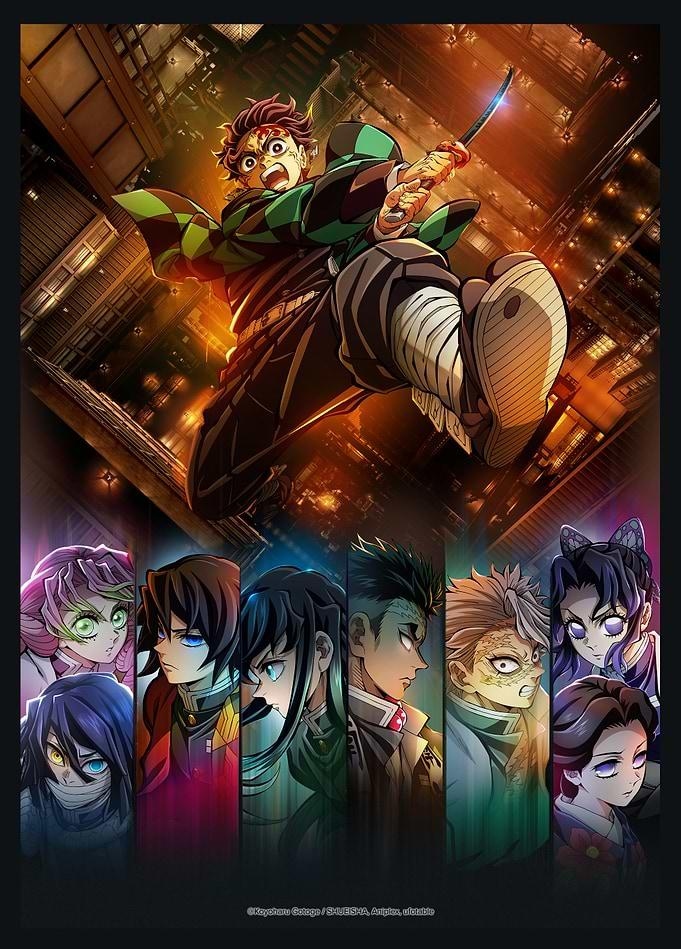
Demon Slayer Vol. 17 (Contains Author Note)
The definitive volume where creator Koyoharu Gotouge officially addresses breathing style mechanics, confirming the elemental visuals are sensory flair rather than physical sorcery.