Kagurabachi: The Dark Fantasy Manga Phenomenon Dominating Global Charts — Anime Adaptation Timeline, Enchanted Katana Lore, and the New Era of Indie Action Manga
By ZealPlane Editorial Desk | Senior Pop Culture & Manga Analyst | ZealPlane Chronicles
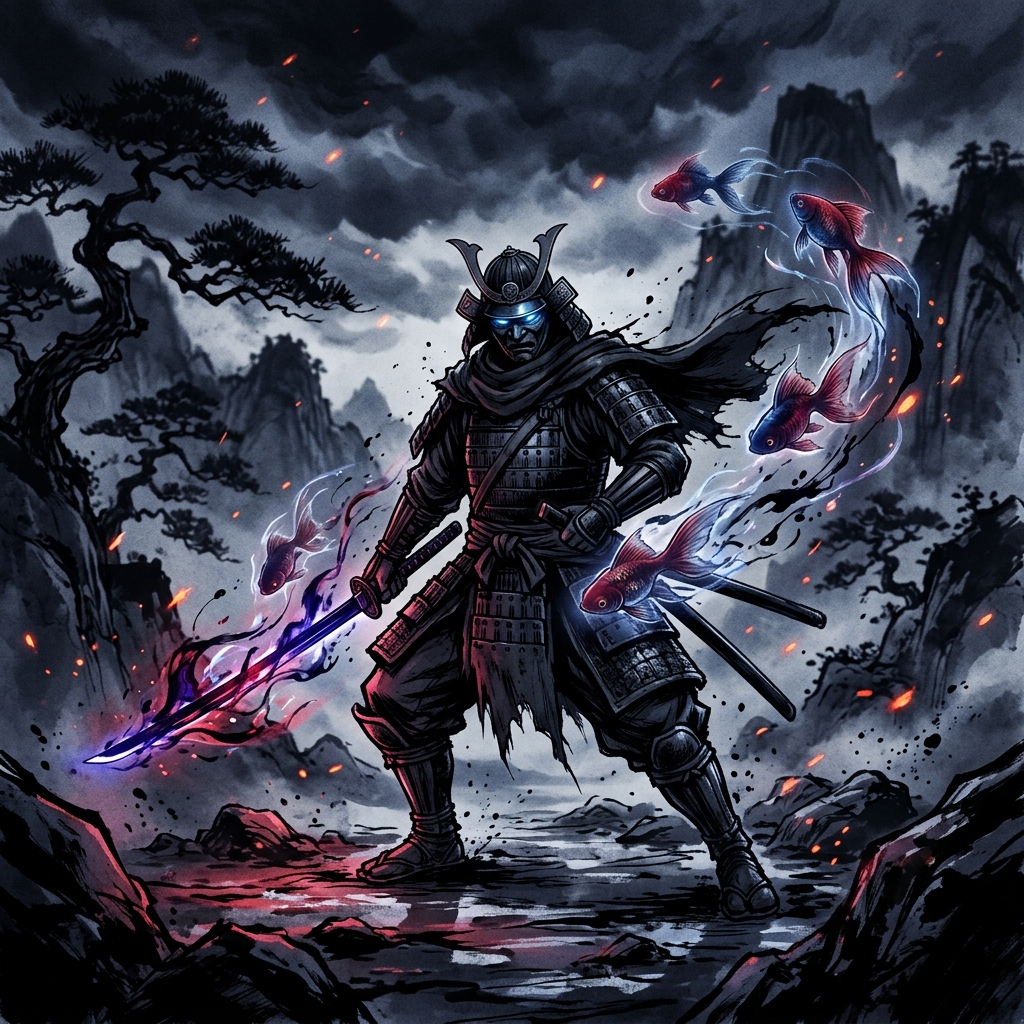
When Takeru Hokazono's Kagurabachi first debuted in the pages of Weekly Shōnen Jump, it was met with an unprecedented wave of global internet anticipation. Yet what began as viral curiosity quickly transformed into something far rarer in modern serialized comics: an undisputed, razor-sharp critical triumph. As the serialized manga world adjusts to the conclusions of era-defining giants like Jujutsu Kaisen and My Hero Academia, Kagurabachi has firmly established itself at the forefront of the new dark fantasy action vanguard, regularly topping global MangaPlus readership charts and shattering physical volume sales projections across international markets.
Far from relying on conventional battle shōnen tropes, Kagurabachi commands attention through an unrelenting cinematic sensibility, visceral combat geometry, and an emotionally disciplined narrative. It blends hard-boiled revenge neo-noir with supernatural swordsmanship, creating a world where every slash carries profound narrative weight and every page turn feels like a high-budget film sequence.
1. The Plot and Setting: A World Built on Blood, Sorcery, and Steel
At its heart, Kagurabachi chronicles the journey of Chihiro Rokuhira, the quiet, disciplined son of Japan's most legendary master blacksmith, Kunishige Rokuhira. During the catastrophic Seitei War, Kunishige forged six supernatural masterwork katana known as the Enchanted Blades (Datenseki Swords)—weapons so devastating they brought an abrupt, bloody conclusion to the war and stabilized the nation.
Years into a fragile peace, tragedy strikes. A sinister sorcerer cartel known as the Hishaku infiltrates the Rokuhira sanctuary, brutally murders Kunishige, and plunders the original six Enchanted Blades into the criminal underworld. Left with a scarred face, a shattered world, and his father's final, secret seventh blade—Enten (Abyssal Flame)—Chihiro embarks on an uncompromising crusade across Japan's neon-lit metropolitan underbelly to eradicate the Hishaku and reclaim his father's stolen legacy.
Key Story Pillar: Unlike typical shōnen protagonists driven by abstract ideals of glory or camaraderie, Chihiro's motivation is grounded in personal duty, remorse, and the terrifying responsibility of preventing weapons of mass destruction from falling into the hands of warlords and syndicate brokers.
2. The Visual Geometry: How Hokazono Redefined Manga Panel Choreography
What elevates Kagurabachi into a masterclass of visual storytelling is Takeru Hokazono's extraordinary mastery of cinematic panel pacing, dynamic perspective, and negative space. Where many modern action comics suffer from cluttered panelling and visually dense magic explanations, Hokazono utilizes a stark, high-contrast sumi-e ink style that prioritizes clarity, kinetic momentum, and impactful framing.
Consider how combat unfolds across a single double-page spread:
- The Weight of the Stance: Characters do not merely unleash flashy energy beams. Every sword strike begins with grounded footwork, the compression of muscle, and the metallic slide of a blade leaving its scabbard (Iaidō).
- Motion Blur and Speed Lines: Hokazono employs crisp directional hatching and deliberate motion blur, allowing the reader's eyes to naturally track the trajectory of a lethal cut across consecutive panels without visual fatigue.
- Silence and Impact: Sound effects (onomatopoeia) are used sparingly. Some of the most devastating climaxes in the series occur in complete, breathtaking panel silence—maximizing the emotional gravity of each confrontation.
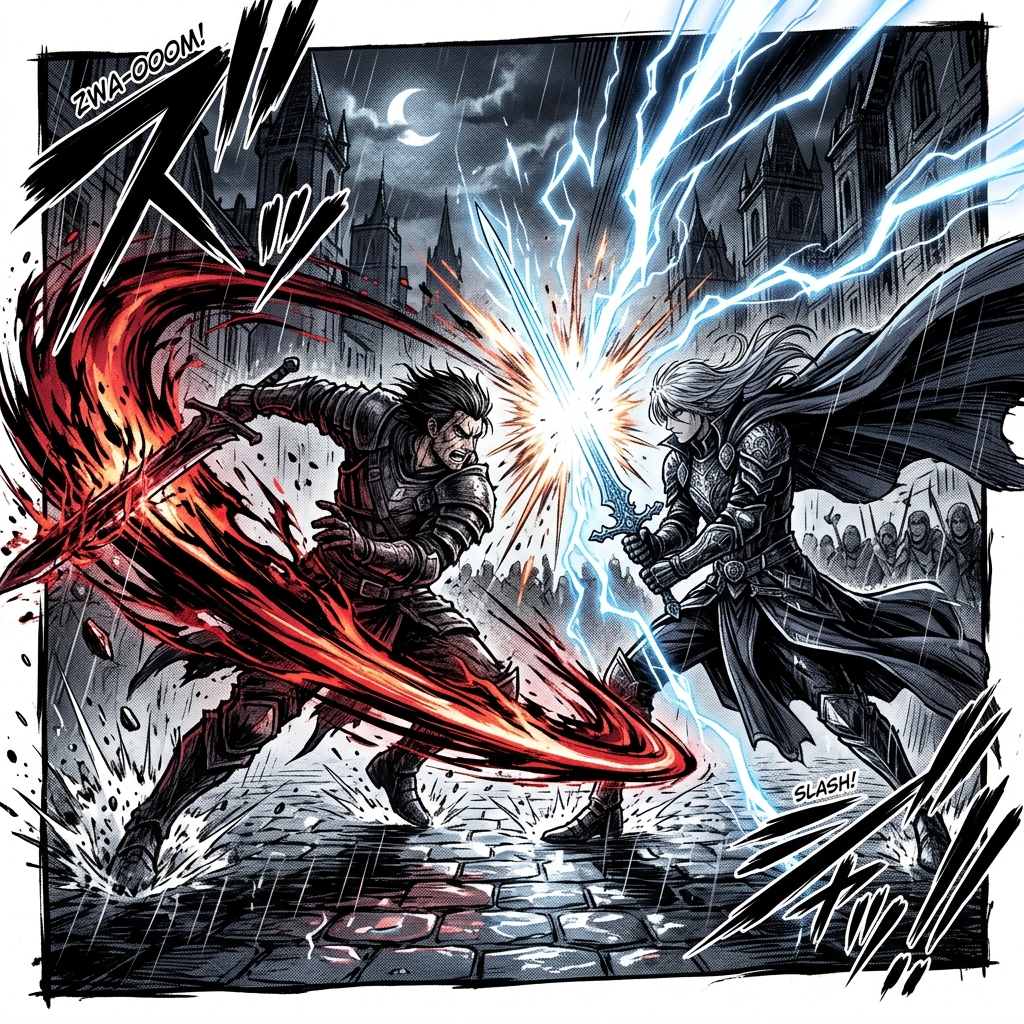 Visceral speed, inkwash aesthetics, and high-stakes supernatural swordplay define the signature combat visual language of Kagurabachi.
3. Deep Lore Breakdown: The Enchanted Blades and Their Abilities
The power system in Kagurabachi is refreshingly elegant. Rather than overwhelming readers with multi-layered encyclopedic rules, supernatural power is channeled through the rare mineral Datenseki and catalyzed by deep sorcery contracts. Chihiro's blade, Enten, channels spiritual goldfish avatars that manifest with specific battlefield applications:
| Blade / Stance | Primary Element / Animal Spirit | Combat Specialization & Functionality |
|---|---|---|
| Enten — Kuro (Black) | Dark Water / Black Goldfish | Long-range slashes of concentrated spirit energy capable of cleanly slicing through sorcery barriers and armored opponents. |
| Enten — Aka (Red) | Absorption / Red Goldfish | Defensive redirection. Absorbs incoming enemy sorcery attacks and weapon strikes, storing kinetic impact to unleash it back upon the attacker. |
| Enten — Nishiki (Cloak) | Enhancement / Tri-Color Goldfish | Body reinforcement technique. Swirls spirit water around Chihiro's physique, multiplying physical velocity, sensory reflexes, and cutting power tenfold. |
| Kuregumo (Cloud Gouger) | Lightning, Ice & Rain (Dragon Spirit) | Wielded by the terrifying Sojo Genichi. Generates battlefield-scale thunderstorms, instantaneous lightning thrusts (Mei), and freezing blizzard walls. |
| Magatsumi (The Shinuchi) | Insect Swarms / Abyssal Rot | The ancestral master blade of the Seitei War, capable of deploying endless swarms of spirit centipedes and devastating entire armies in seconds. |
4. The Rakuzaichi Auction Arc: Why It Stunned Critics Worldwide
While the initial chapters established the gritty tone, it was the Rakuzaichi Underground Auction Arc (Chapters 18–45) that solidified Kagurabachi as a top-tier narrative masterpiece. Centered around the illicit auction of the legendary blade Shinuchi in the floating luxury stronghold of the Sazanami Clan, the arc executed an intricate multi-faction siege that readers frequently compared to the legendary Yorknew City arc in Yoshihiro Togashi's Hunter x Hunter.
The introduction of Hakuri Sazanami—an outcast son trapped in a dynastic family of torture brokers—provided a poignant emotional counterweight to Chihiro's relentless vengeance. Hakuri's desperate quest to break free from his lineage, combined with Chihiro's ruthless infiltration tactics, delivered an explosive crescendo of character growth, unexpected alliances, and unforgettable sorcery duels.
5. Anime Adaptation Timeline, Studio Speculation, and 2026/2027 Roadmap
Given the immense commercial velocity of the manga—with physical volume print runs repeatedly selling out in Tokyo, Paris, and New York—an official anime adaptation announcement is widely anticipated by industry insiders for late 2026.
Studio Contenders
Top animation studios frequently linked to the project include CloverWorks (renowned for rich character art and fluid direction), Wit Studio (acclaimed for visceral swordplay in Vinland Saga), and Ufotable.
Estimated Release Window
With sufficient manga chapters now published to comfortably produce a full two-cour 24-episode Season 1, analysts predict a teaser reveal in late 2026 followed by a global broadcast premiere in 2027.
6. What Indie Comic Creators and Webcomic Readers Can Learn From Kagurabachi
The runaway success of Kagurabachi holds immense significance not only for mainstream Japanese publishing, but for the global independent comic and manga creation landscape—including emerging storytelling hubs in India, Southeast Asia, and Western webcomics.
- Uncompromising Pacing Over Filler: Modern digital readers possess very little patience for protracted exposition. Kagurabachi proves that worldbuilding is most potent when revealed organically through high-stakes conflict rather than lengthy dialogue dumps.
- Iconic Visual Identity: The visual motif of ethereal goldfish gliding through rainstorms and bloodied alleyways gives the series an instant, unforgettable aesthetic silhouette that stands out across digital storefronts and social media feeds.
- Grounded Emotional Stakes: High-concept magic only resonates when anchored in believable human pain, sacrifice, and moral consequences.
7. Where to Read Kagurabachi & Final Verdict
For readers looking to dive into the phenomenon right now, Kagurabachi is available to read officially on Shueisha's MangaPlus and Viz Media's Shonen Jump app, with the latest three chapters released weekly on Sundays free of charge in multiple languages.
Whether you are a lifelong manga aficionado or an aspiring comic creator seeking inspiration in panel design, Kagurabachi is essential reading in 2026. It is proof that in an era saturated with generic trends, authentic craftsmanship, distinct artistic vision, and intense narrative discipline will always cut straight through the noise.
Featured Original Indian Indie Comics on ZealPlane
Explore original indie comics available free to read online:
Trending Indie Webcomics & Manga
- Read Chullu aur Lootera Bhoot online free
- Read My most favorite gags of Guddu online free
- Read Chullu aur Khadoos uncle online free
- Read Animocity Review online free
- Read When horror meets humour online free
- Read THE GIRL INSIDE THE CUPBOARD online free
- Read वज्रयोद्धा By Magha Studio online free
- Read Read 'GHOST IN THE CROWD' by Prince Ayush online free
Latest Pop Culture & Comic News
- One Piece Chapter 1195 Spoilers: Release Date, Global Schedule, and Early Elbaph Hints
- Are Demon Slayer's Breathing Techniques Actually Real — Or Just Visual Flair?
- Spider-Man Is Doing Luffy's Gear 2 Pose, and Fans Are Rightfully Losing It
- Spider-Man Is Doing Luffy's Gear 2 Pose, and Fans Are Rightfully Losing It
- The Ultimate Webtoon Canvas Size & Slicing Guide (2026): How to Format, Slice, and Publish Without Quality Loss
- Beyond Squid Game and Alice in Borderland: 5 Death Game Stories That Actually Get Under Your Skin