Beyond Squid Game and Alice in Borderland: 5 Death Game Stories That Actually Get Under Your Skin
By ZealPlane Editorial | Senior Pop Culture & Manga Analyst | ZealPlane Chronicles
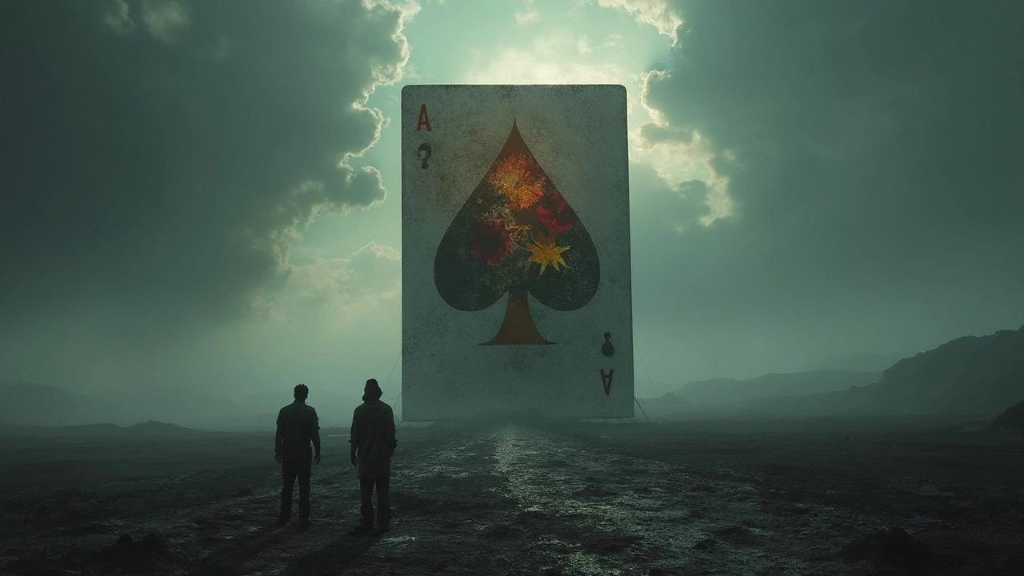
Squid Game Season 2 happened. Alice in Borderland (Official Omnibus) Season 3 happened. And now you're sitting here, slightly hollow, scrolling through Netflix and finding nothing.
That specific feeling — where you want something that makes you think, not just watch — is harder to satisfy than people admit. Most death game stories coast on the novelty of the concept. The truly memorable ones use the format to say something deeply uncomfortable about human nature.
Here are five that do exactly that. One of them you can dive into for free right now.
1. Liar Game — Shinobu Kaitani
The setup sounds deceptively simple: an excessively honest girl gets roped into a high-stakes lying tournament against predatory strangers. The reality is that every round is a tightly constructed game-theory puzzle where you find yourself trying to solve the trick before the characters do.
What separates Liar Game from typical genre peers is Kaitani's genuine respect for the reader's intellect. He doesn't telegraph cheap plot twists. Instead, he lays out every clue in plain sight and trusts you to either piece the strategy together or kick yourself for missing it. Both outcomes are remarkably satisfying.
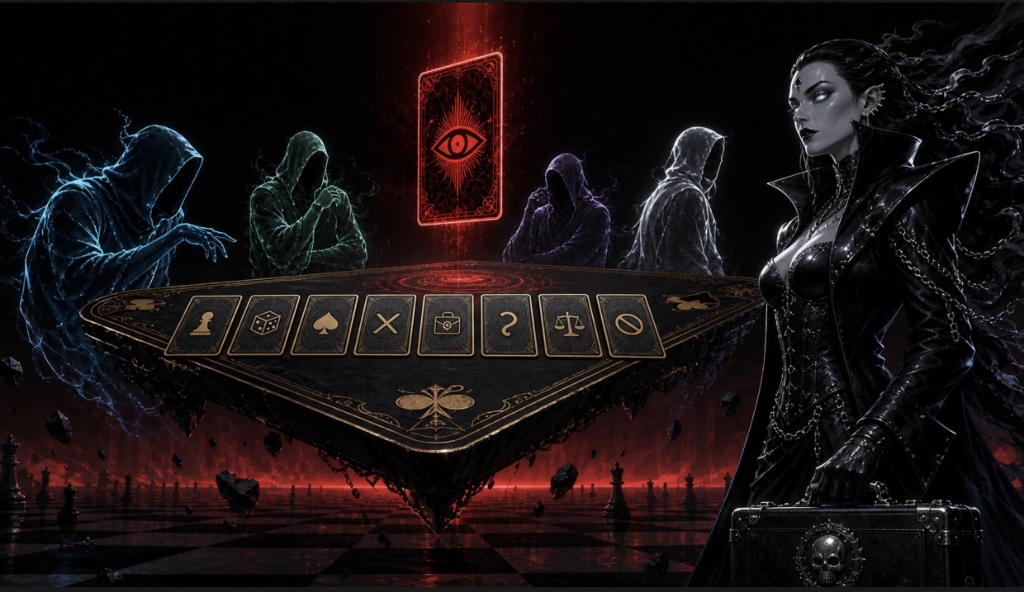
The standout achievement here is Nao Kanzaki, the protagonist. On paper, a pure-hearted, trusting individual dropped into an arena built on deception should be dead weight. Instead, Kaitani crafts her as the moral anchor of an otherwise cynical world without making her feel naive. That kind of tonal balance is far rarer than it looks.
If you have rewatched Squid Game multiple times and still crave pure strategic deduction, start here.
2. Tomodachi Game — Mikoto Yamaguchi
Tomodachi Game operates in adjacent psychological territory to Liar Game, but tilts the axis of tension: instead of strangers battling strangers, it forces a close circle of high school friends into financial and moral ruin. Every game is engineered to systematically corrode trust between people who share years of shared history.
That premise proves far nastier in practice than it sounds. Every accusation cuts deeper, and every sudden betrayal stings when you witnessed how genuine the friendship was before the debts were revealed.
The manga spans over 120 chapters and earns the majority of them. There is a mid-run stretch around chapters 40 through 70 where revelations hit with relentless momentum, making it genuinely tough to put down. Just keep grounded expectations for the final arc, and the ride delivers in spades.
3. As the Gods Will — Muneyuki Kaneshiro and Akeji Fujimura
Before Squid Game went global, As the Gods Will was pioneering the deadly children's game format in manga — with an unhinged, chaotic energy that few contemporary stories match.
Daruma dolls that detonate the skulls of anyone who moves. High schoolers playing lethal musical chairs. A giant maneki-neko demanding human sacrifices in a gymnasium. The iconography in this manga burns into your memory instantly.
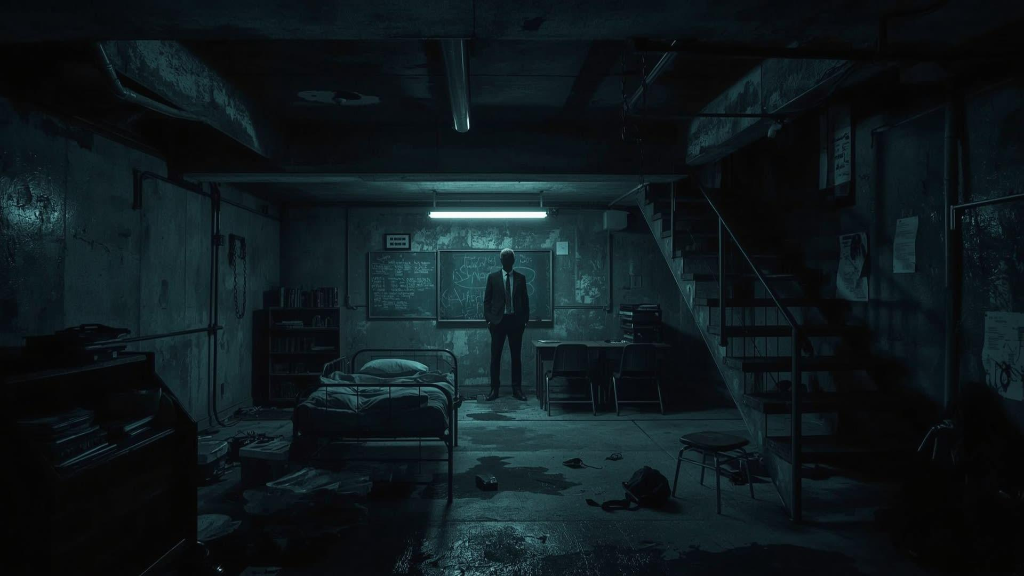
What prevents it from deteriorating into meaningless shock value is Kaneshiro's pacing. He has an innate grasp of narrative architecture: when to accelerate the violence, when to let dead silence linger, and when to let the reader take a single breath before the next trial begins. It was also adapted into a cult live-action film by Takashi Miike in 2014, which captures that exact manic atmosphere.
4. G.O.D — ZealPlane Original (Hindi)
This title presents a premise that sounds minimalist on the surface, which is precisely why it gets under your skin.
Rahul is an ordinary young man drowning in overwhelming debt. Desperate for a way out, he is approached by anonymous brokers from the dark web. They offer him an unusual proposition: seven drives. Seven deliveries of everyday, mundane items — candles, eggs, things you could buy in any local market. The compensation? Any amount he demands.
There is only one strict rule: Don't look back.

That single condition carries the psychological weight of the entire narrative. As Rahul realizes this rule forms the backbone of an enigmatic system dubbed the world's most dangerous business plan, the layers begin unpeeling. Why would anyone pay fortunes to transport basic groceries across a city? What happens when curiosity overtakes survival instincts and Rahul starts probing into who designed the system?
Unlike survival arenas centered purely on physical slaughter, the tension in G.O.D is informational dread. You read forward rapidly because you want to uncover the dark web architecture alongside the protagonist. For readers who enjoy grounded Indian thrillers with sharp psychological stakes, this is well worth your afternoon.
5. Gambling Apocalypse Kaiji — Nobuyuki Fukumoto
Kaiji does not follow standard death game conventions, which is precisely why it stands as the grandfather of the entire genre.
There are no masked billionaire VIPs operating in neon sci-fi islands. The horror here is uncomfortably real: astronomical compounding interest, loan sharks, and the grinding indignity of financial destitution. Fukumoto drops a broke, adrift young man into increasingly hostile gambles where survival requires discovering loopholes against predators who hold every institutional advantage.

The tension in Kaiji hits harder than most death game stories because the power asymmetry mirrors reality. You feel every ounce of sweat, panic, and manic desperation in Fukumoto's angular, expressive artwork. Characters do not look glamorous; they look like human beings whose lives are actively unraveling under impossible stress.
The two-season anime adaptation from Madhouse is widely regarded as one of the best manga adaptations ever produced, preserving the grueling psychological pacing note for note.
Why These Psychological Thrillers Resonate
The lasting appeal of stories like Squid Game or Alice in Borderland was never just about watching contestants get eliminated. It was about seeing how ordinary people behave when civility is stripped away and the rules of society are rewritten in an instant.
Whether it is the calculated game theory of Liar Game, the friendship corrosion of Tomodachi Game, or the clandestine dark web paranoia of G.O.D, each of these stories leaves you pondering moral choices long after you close the chapter.
More High-Stakes Psychological Thrillers
If you enjoyed the mind-games and deceit in these titles, explore our next deep dives:
Featured Original Indian Indie Comics on ZealPlane
Explore original indie comics available free to read online:
Trending Indie Webcomics & Manga
- Read Chullu aur Lootera Bhoot online free
- Read My most favorite gags of Guddu online free
- Read Chullu aur Khadoos uncle online free
- Read Animocity Review online free
- Read When horror meets humour online free
- Read THE GIRL INSIDE THE CUPBOARD online free
- Read वज्रयोद्धा By Magha Studio online free
- Read Read 'GHOST IN THE CROWD' by Prince Ayush online free
Latest Pop Culture & Comic News
- One Piece Chapter 1195 Spoilers: Release Date, Global Schedule, and Early Elbaph Hints
- Are Demon Slayer's Breathing Techniques Actually Real — Or Just Visual Flair?
- Spider-Man Is Doing Luffy's Gear 2 Pose, and Fans Are Rightfully Losing It
- Spider-Man Is Doing Luffy's Gear 2 Pose, and Fans Are Rightfully Losing It
- The Ultimate Webtoon Canvas Size & Slicing Guide (2026): How to Format, Slice, and Publish Without Quality Loss
- Beyond Squid Game and Alice in Borderland: 5 Death Game Stories That Actually Get Under Your Skin