Are We Actually Tired of Superhero Movies? The Truth About Superhero Fatigue in 2026
By ZealPlane Editorial | Senior Pop Culture & Manga Analyst | ZealPlane Chronicles
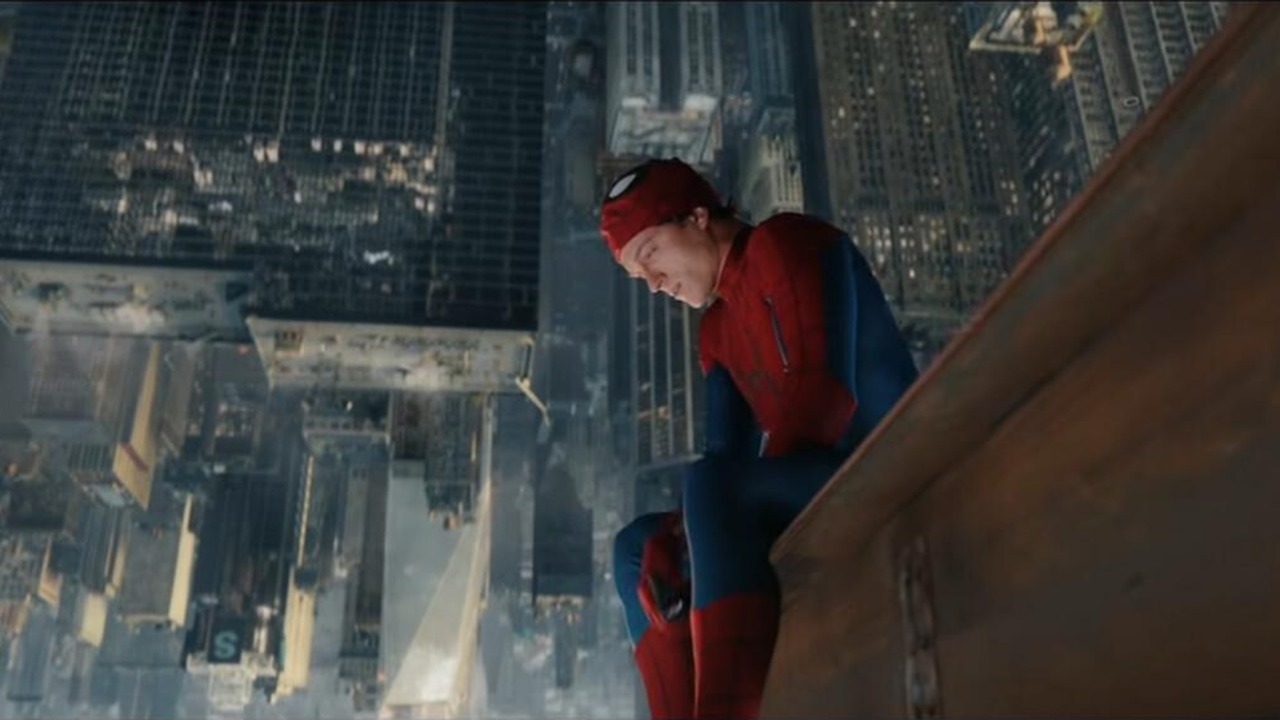
There was a time when simply unveiling a title card at Comic-Con was enough to conquer the internet for an entire week. A logo reveal guaranteed obsessive video breakdowns, feverish speculation across comic book communities, and midnight ticket lines months in advance.
In 2026, the reaction is palpably different. Another Marvel slate announcement? Another DC reboot plan? Another multi-timeline multiverse crossover, another mandatory post-credits scene, and yet another legacy character whose emotional arc apparently requires six hours of streaming homework before the next multiplex outing makes a shred of narrative sense?
That cultural exhaustion is where the phrase superhero fatigue came from. But looking closely at the 2026 cinematic landscape makes the argument considerably harder to settle.
Spider-Man is still capable of turning into an unstoppable theatrical juggernaut. Avengers: Doomsday is already tracking for historical presales months before opening. At the very same time, other big-budget superhero ventures struggle to convince regular moviegoers that they warrant a trip to the theater. As reported in recent box office analysis by AP News, audiences are neither blindly buying tickets nor abandoning the genre entirely—they are reacting to individual movie value.
So are audiences actually tired of superheroes? Probably not. What people are undeniably exhausted by are superhero movies that feel interchangeable, corporate, and burdened with homework.
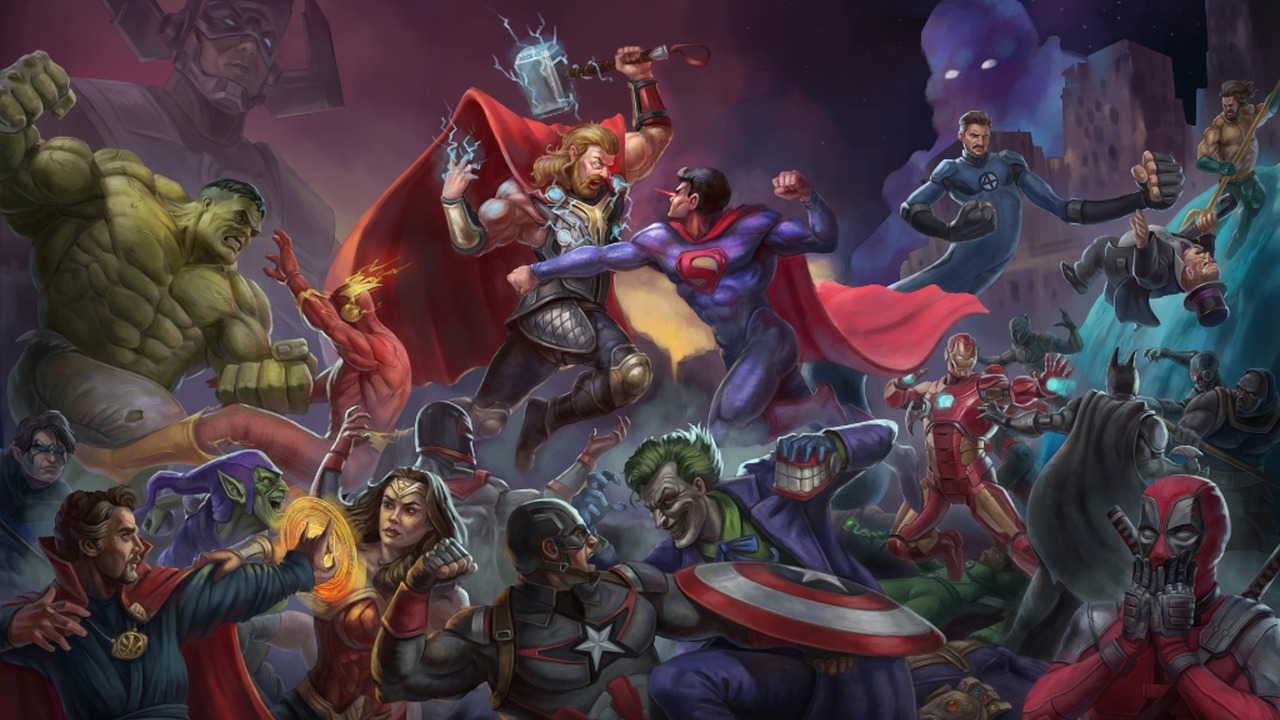
The Superhero Genre Didn't Suddenly Stop Working
The easiest way to dismantle the blanket claim that superhero cinema is dead is to look at how premier characters actually perform when the premise commands respect.
Spider-Man remains the most unmistakable counterexample. Spider-Man: Brand New Day has emerged as an extraordinary box-office phenomenon in 2026, proving beyond debate that audiences will still turn out in droves for a superhero film when the protagonist possesses genuine cultural resonance and the story delivers real human stakes rather than a corporate checklist.
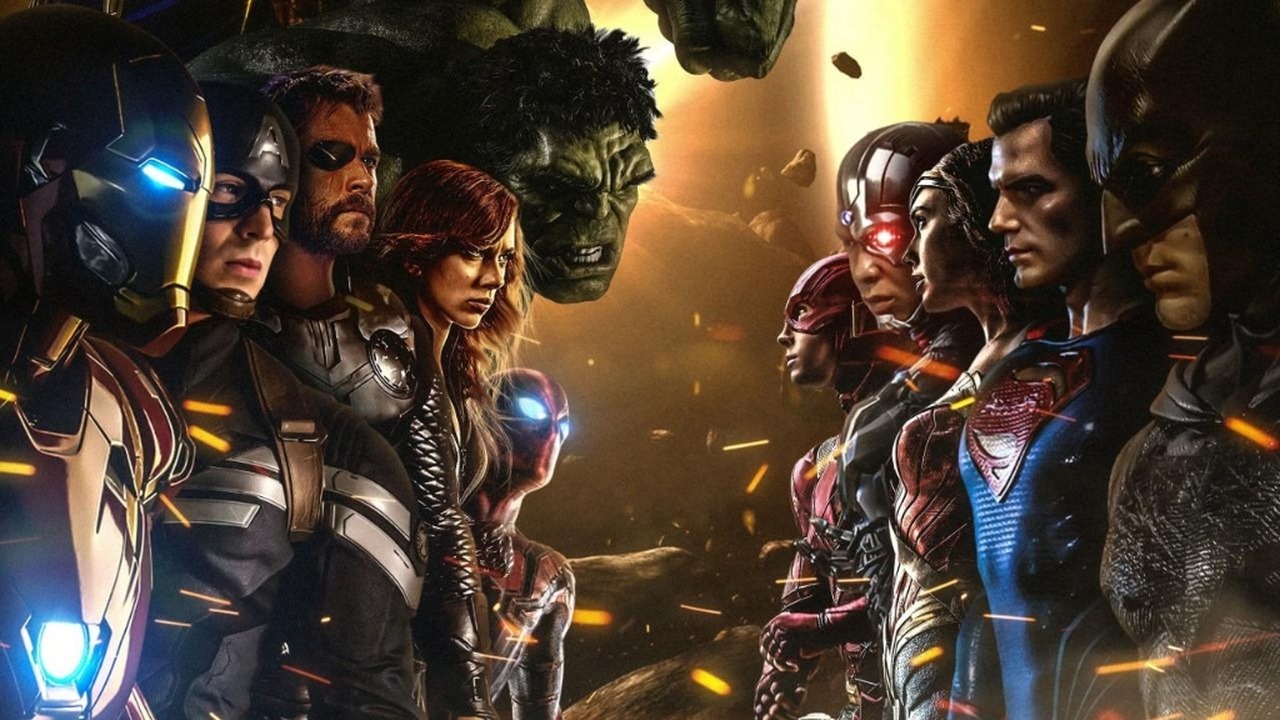
The upcoming Avengers: Doomsday reinforces the exact same lesson from another direction. Marvel's massive crossover has already crossed fifty million dollars in domestic presales with less than one hundred days remaining before premiere, according to box-office tracking cited by GamesRadar+. With Robert Downey Jr. making a shocking return as Doctor Doom alongside the Fantastic Four and the Fox-era mutants explored in our MCU X-Men reboot breakdown, the project carries genuine event curiosity.
That is not the profile of an extinct genre. It does, however, illuminate an essential reality: moviegoers still care deeply about specific characters and genuine milestones. That is fundamentally different from blindly caring about every superhero release on the calendar.
Marvel's Biggest Problem: When Cinematic Universes Feel Like Homework
For the first decade of the Marvel Cinematic Universe, watching one installment naturally enhanced the value of the next. That was the magic trick.
Iron Man pointed toward The Avengers. Captain America: The Winter Soldier fundamentally altered S.H.I.E.L.D. and reshaped the entire MCU landscape. Civil War challenged foundational loyalties across a dozen heroes simultaneously. Infinity War and Endgame transformed a decade of serialized storytelling into a communal triumph that audiences felt they simply could not miss.
The franchise possessed forward momentum. But after Endgame, that delicate balance became nearly impossible to maintain.
Marvel expanded at an overwhelming velocity across theatrical films and streaming miniseries. Audiences were introduced to dozens of new faces, tossed across diverging timelines, and increasingly asked to cross-reference narrative threads from projects they may never have wanted to watch in the first place.
"For a dedicated comic book devotee, tracking multiversal Easter eggs can be exhilarating. But for the casual Friday night moviegoer, it quickly begins to feel like unpaid homework. And homework is the fastest way to kill the joy of a two-hour cinema trip."
Marvel has noticeably recalibrated its output, adopting a more disciplined release rhythm. As Kevin Feige recently acknowledged in discussions covered by Cinemablend, addressing audience exhaustion requires avoiding formulaic repetition and prioritizing creative individuality over industrial volume.
The Casual Audience Has Become Harder to Reach
This is the crucial nuance in the superhero fatigue debate that frequently gets overlooked by studio executives and internet commentators alike.
A loyal patron who has followed comic books and the MCU for fifteen years is not the same consumer as someone looking for an entertaining theatrical experience on the weekend. The longtime reader knows who Kang the Conqueror is, remembers every plot point from Disney+ series, understands how multiversal incursions function, and catches the twelve-second background cameo. Our Avengers: Doomsday 42-Hour Watchlist Guide demonstrated just how sprawling that commitment has become.
The casual moviegoer looks at a trailer and asks one fundamental question: Do I need to watch three different shows before this makes sense?
If the answer is yes, they stay home. That single hesitation determines whether a movie becomes a cultural event or gets relegated to a future streaming queue.
The most resilient superhero films understand this distinction instinctively. A viewer can love Spider-Man across decades of cartoons, video games like Insomniac's Wolverine and Spider-Man, and classic cinema without consulting a lore spreadsheet to understand why Peter Parker puts on the mask. Immediate emotional accessibility matters.
Why the Best Superhero Movies Transcend the Costume
The genre has always been vastly more durable than cynical labels imply. The Dark Knight did not achieve cinematic immortality simply because Batman was popular; it succeeded because Christopher Nolan constructed a gripping crime drama examining societal morality. Logan was not unforgettable because Wolverine had adamantium claws; it resonated because James Mangold delivered a poignant, gritty western about aging, regret, and family.
The superhero costume gets viewers into the theater on opening night. The filmmaking craft gives them a reason to remember it ten years later.
That difference matters immensely today because modern audiences have memorized every beat of the standard comic book formula:
- The reluctant origin story and training montage
- The sky-beam or world-ending McGuffin
- The weightless third-act digital effects battle
- The mid-credits teaser hinting at another crossover
None of those devices are inherently defective on their own. The fatal flaw occurs when the franchise machinery becomes more prominent than the human drama inside it. Readers of independent comics have seen this shift firsthand: when corporate IP feels hollow, audiences naturally gravitate toward original stories with genuine stakes, much like the resurgence happening across Indian indie graphic novels and original digital series on ZealPlane.
DC's Challenge: Building a Universe Without Making Every Movie an Episode
DC Studios' turbulent history over the past decade illustrates why superhero fatigue cannot be blamed solely on Marvel. Warner Bros. spent years swinging between competing visions, abandoning continuity threads, and restarting universes from scratch.
James Gunn's nascent DC Universe faces a delicate assignment: convincing audiences to invest in a brand new continuity while ensuring every individual standalone title functions as a satisfying cinematic piece in its own right. Recent comic crossovers explored in our look at the Batman and Deadpool DC-Marvel Reunion showed that fans still celebrate bold creativity when character personalities shine.
A thriving cinematic universe ought to enrich its individual movies, not turn them into sixty-minute episodes of a multi-billion-dollar television series that never resolves.
The Verdict: Superhero Fatigue Is Actually Franchise Fatigue
Moviegoers did not wake up and decide they despise Superman, Batman, the X-Men, or Spider-Man. Rather, they grew dramatically more selective.
A decade ago, the brand logo alone could guarantee a monumental opening weekend regardless of quality. Today, audiences demand to know who is directing, what the thematic angle is, and whether the narrative offers something fresh before purchasing a ticket.
That selectivity is the healthiest thing that could happen to comic book cinema. It forces studios to compete on script quality, visual artistry, and emotional depth rather than relying on automatic brand loyalty. The outcome may very well be fewer superhero movies released each year—but substantially better ones.
The superhero era is not coming to an end. The era of the automatic box-office ticket is. And for anyone who loves great storytelling, that is a victory.
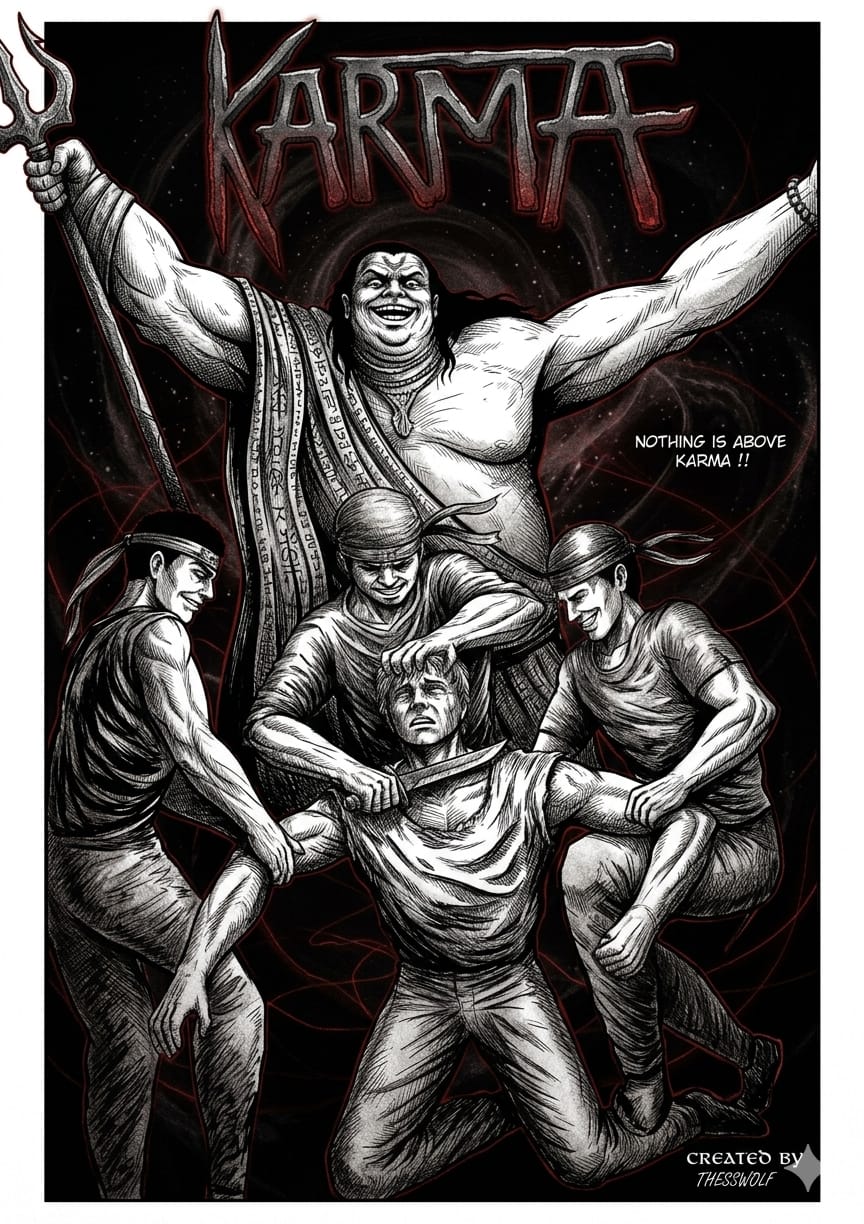
Looking for a refreshing alternative to corporate franchise formulas? Experience original creator-owned stories with genuine stakes. Read KARMA, the classic martial arts action of Karate King, and Prince Ayush's slice-of-life graphic piece Ghost in the Crowd for free in the ZealPlane reader.
Do you feel superhero fatigue, or just franchise homework fatigue?
Select an option below to see live reader sentiment across the ZealPlane community
Featured Original Indian Indie Comics on ZealPlane
Explore original indie comics available free to read online:
Trending Indie Webcomics & Manga
- Read Chullu aur Lootera Bhoot online free
- Read My most favorite gags of Guddu online free
- Read Chullu aur Khadoos uncle online free
- Read Animocity Review online free
- Read When horror meets humour online free
- Read THE GIRL INSIDE THE CUPBOARD online free
- Read वज्रयोद्धा By Magha Studio online free
- Read Read 'GHOST IN THE CROWD' by Prince Ayush online free
Latest Pop Culture & Comic News
- One Piece Chapter 1195 Spoilers: Release Date, Global Schedule, and Early Elbaph Hints
- Are Demon Slayer's Breathing Techniques Actually Real — Or Just Visual Flair?
- Spider-Man Is Doing Luffy's Gear 2 Pose, and Fans Are Rightfully Losing It
- Spider-Man Is Doing Luffy's Gear 2 Pose, and Fans Are Rightfully Losing It
- The Ultimate Webtoon Canvas Size & Slicing Guide (2026): How to Format, Slice, and Publish Without Quality Loss
- Beyond Squid Game and Alice in Borderland: 5 Death Game Stories That Actually Get Under Your Skin